Blooms · March
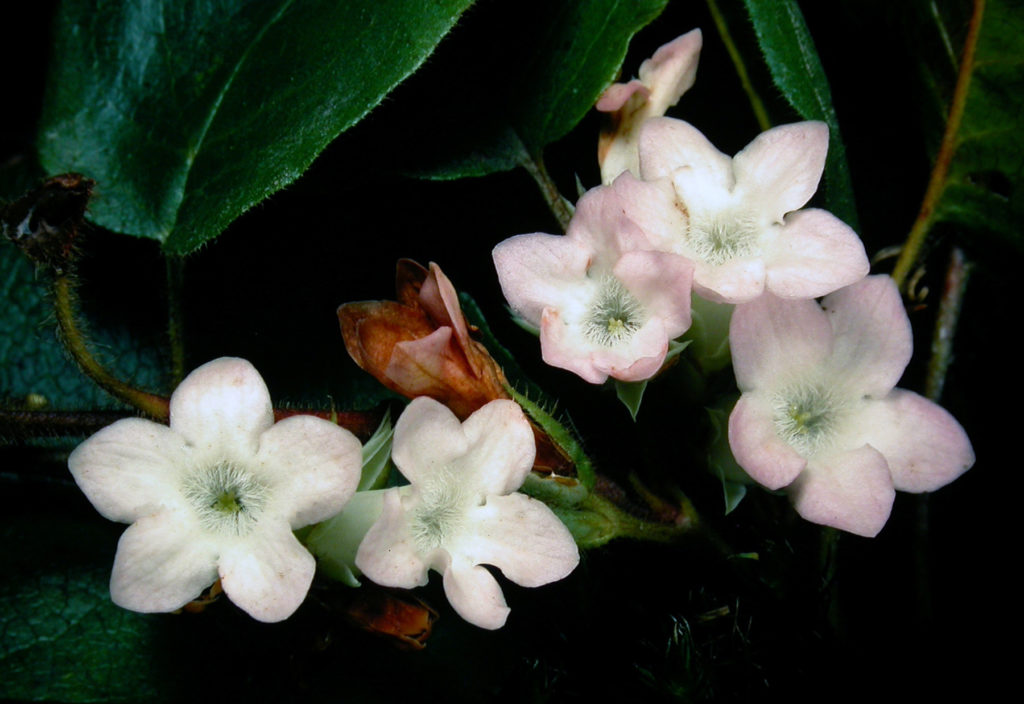
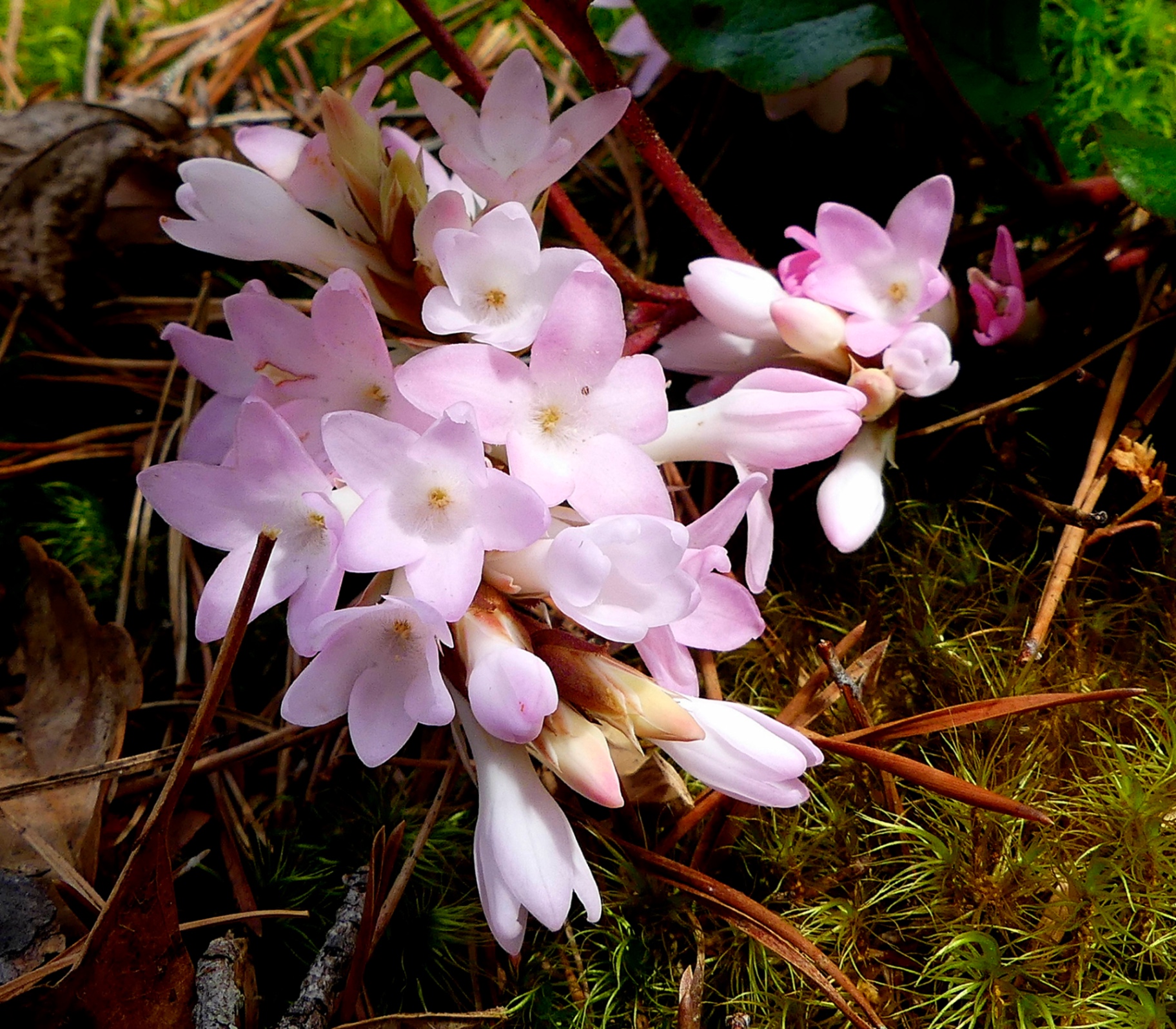
Trailing Arbutus
One of the first flowers to bloom in the Forest each spring.

Long before recorded history, buffalo, deer, and elk traveled through the Forest along a trail up Walton Ridge. Native Americans later used these same trails as a migration route, and an easement with the Cherokee allowed early Tennesseans to construct the Walton Road to Carthage. Over the years, a future King of France, three U.S. Presidents, and the future President of Texas traveled this early trail and road — along with thousands of settlers passing through the Forest on their way west.
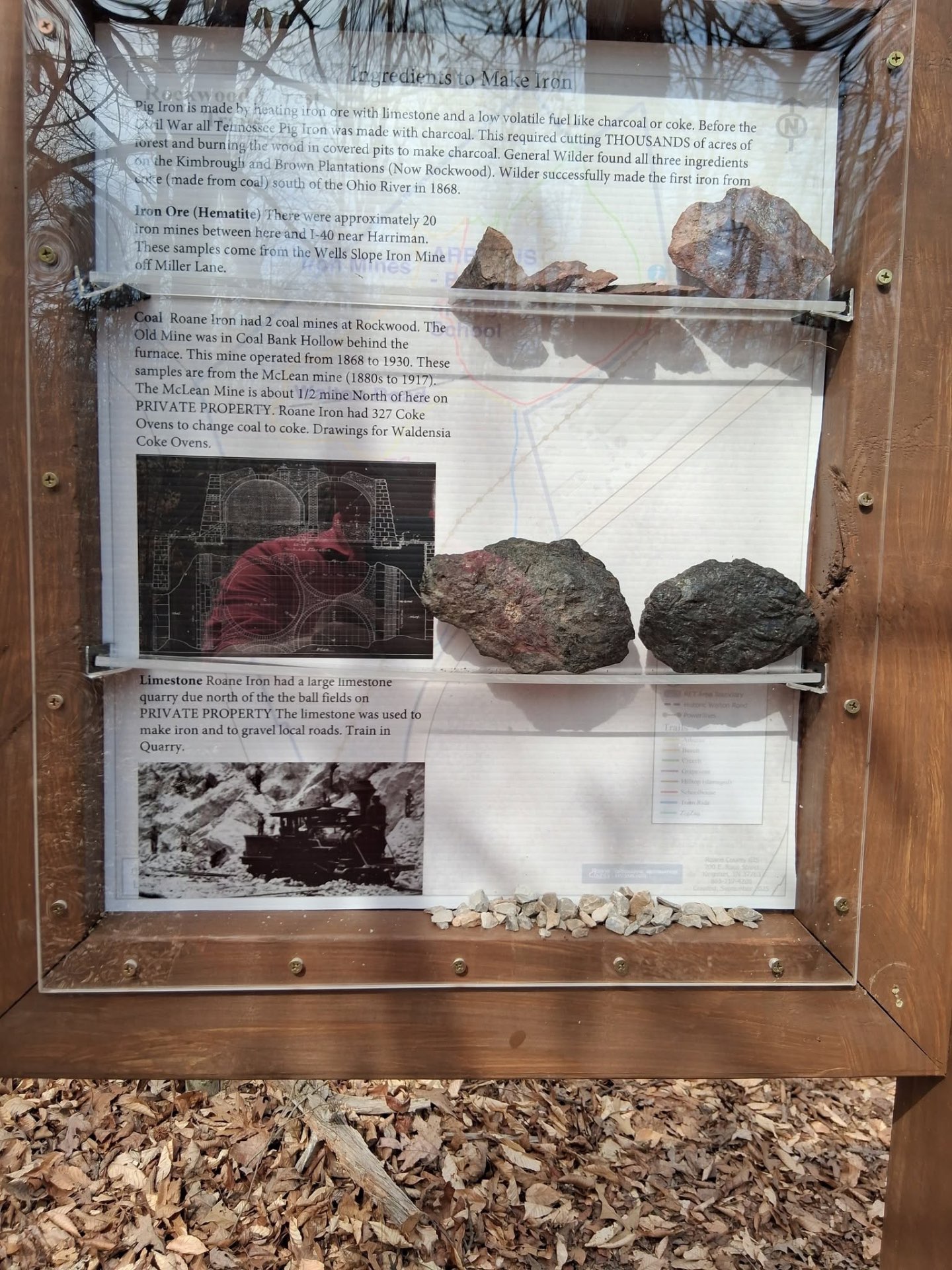
The Forest's iron, coal, and limestone brought mining, and a narrow-gauge railroad was built to haul the mined products out. The one-room Beech Springs School served 59 students, first grade through high school, with a single teacher. The ghost town of Arbutus had its own Post Office and a Roane Iron Company Commissary that served 150 people.
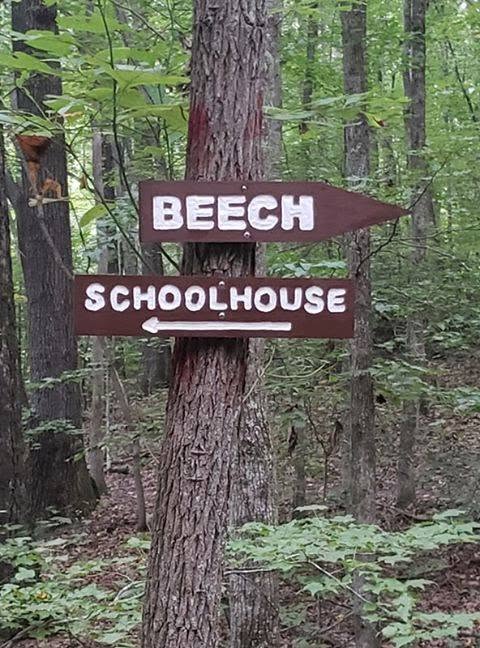
Around 1917, the last mine closed and US 70 bypassed the Walton Road through the Forest. Nature has had over 100 years to reclaim the land into a climax forest filled with beautiful plants and flowers. The Schoolhouse Beech still stands, carved with the hearts and initials of lovers from the late 1800s and early 1900s.
About 15 years ago, Steve Scarborough hiked through the Forest and recognized its potential for hiking and mountain biking trails. Rockwood Mayor Brillo Miller granted permission — and $2,000 — to start the project. Volunteers constructed four miles of trails on the existing 70 acres and have maintained them ever since. Volunteers later purchased an additional 30 acres and sold it to the City of Rockwood at cost with no interest. Trails have been laid out on the new 30 acres, with construction scheduled for fall 2026.
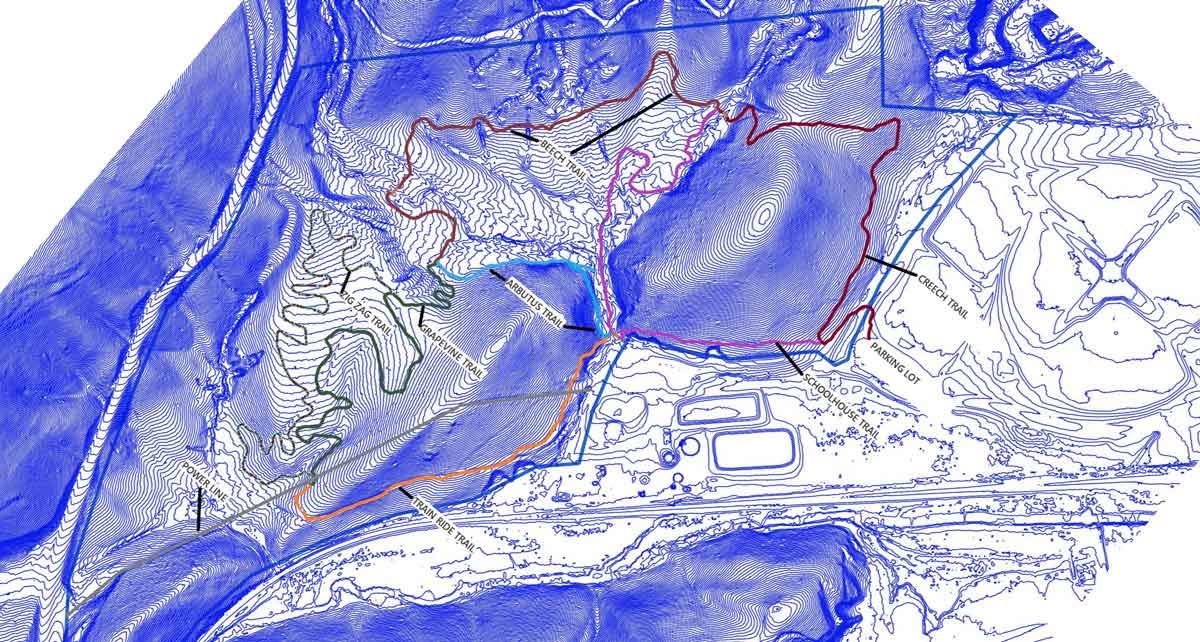
A strange series of coincidences led to the rediscovery of the Forest's history. Someone asked where Arbutus, Tennessee was located — and local historians didn't know. Then a history buff noticed the Arbutus Trail on the Rockwood Forest Trails map. The City Administrator sent him to Steve Scarborough, who explained that a Trailing Arbutus flower had been found on the trail; it died when transplanted, so the trail was named in its honor. Steve knew nothing about a town called Arbutus.
Robert Bailey, Roane County Historian, tracked down the original Post Office application, which placed the town squarely in the Forest. Roane Iron had wanted to name it McLean, after the coal mine — but the Post Office chose Arbutus instead.
Arbutus was named for a plant in the Forest that once captivated the nation. In 1900, a New York perfumer set out to create a botanical perfume called Trailing Arbutus. The flower has a wonderfully appealing aroma, but it's impossible to gather enough blooms to make perfume commercially — so he blended nine other flowers to imitate the scent. It was an immediate success, and it's still made today from the original recipe (at $40 an ounce). China, silverware, and linens were produced bearing images of the Trailing Arbutus.
The full history of the Forest is documented on a series of kiosks located throughout the trails.
The creeks and wetlands of the Forest are home to several species of frogs and salamanders. Deer and small mammals roam the trails, and while bear scat is occasionally found, the bears keep their distance from humans. The Forest also shelters several beautiful and rare plants:
One of the first flowers to bloom in the Forest each spring.
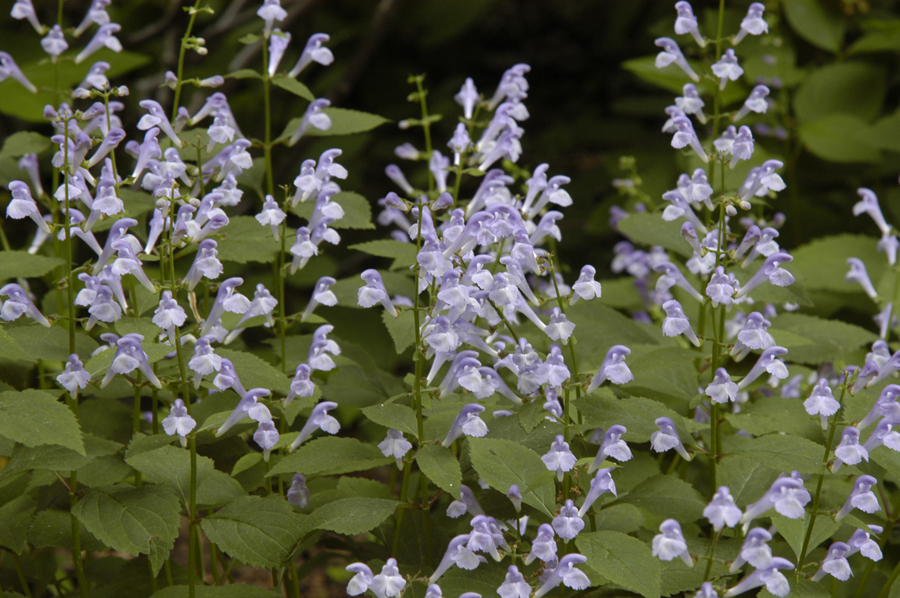
Prevalent along the Schoolhouse Trail.
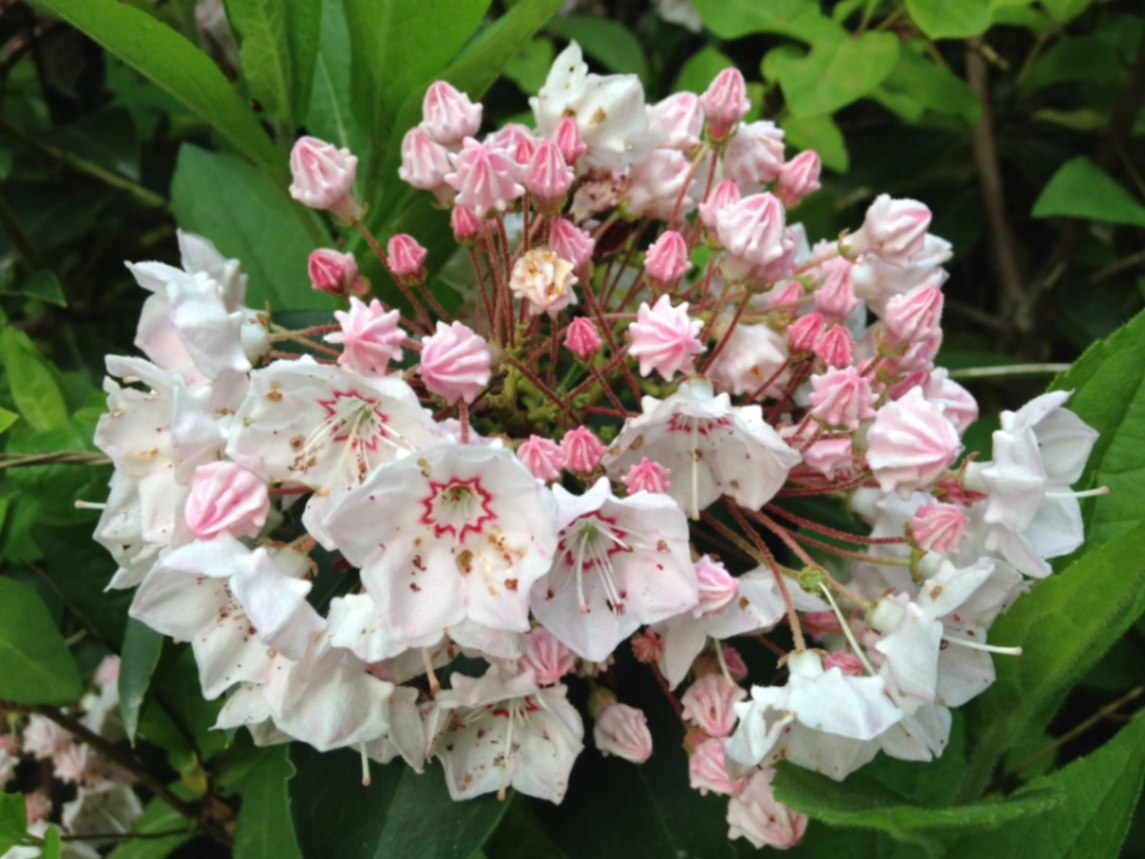
Blooms throughout the Forest — on the Beech Trail, it's like walking through clouds of blossoms.
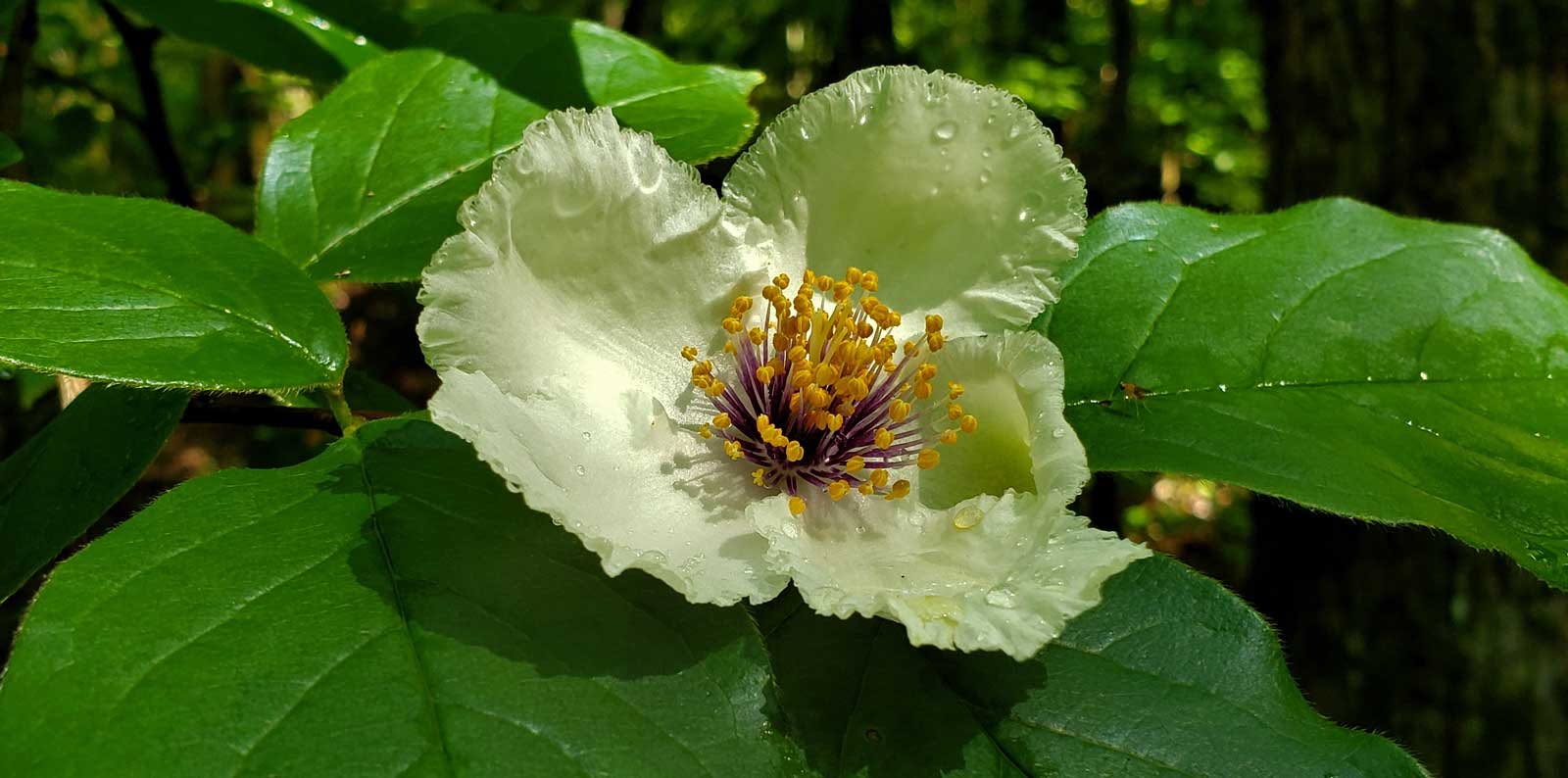
A rare find on the Creech Trail near Schoolhouse and the new Big Gulch Trestle Trail.
Rockwood has received a Notice of Award for a $100,000 Healthy Active Rural Tennessee (HART) Grant. The City geared the application toward materials, with volunteers providing the labor. The goal: add new points of interest that get more people hiking and biking — and away from screens and into nature.
A new welcome kiosk at the parking area to orient visitors.
A 237-foot trail leading hikers to the existing Schoolhouse Trail. The grant provides the plants, and the BioSTEM II class at Rockwood High School will design and install the arboretum over two growing seasons.
Requested by seniors and newcomers to hiking — purchased through the grant and installed by the Boy Scouts.
Installed by the Girl Scouts, who built a popular picnic table in the Forest ten years ago.
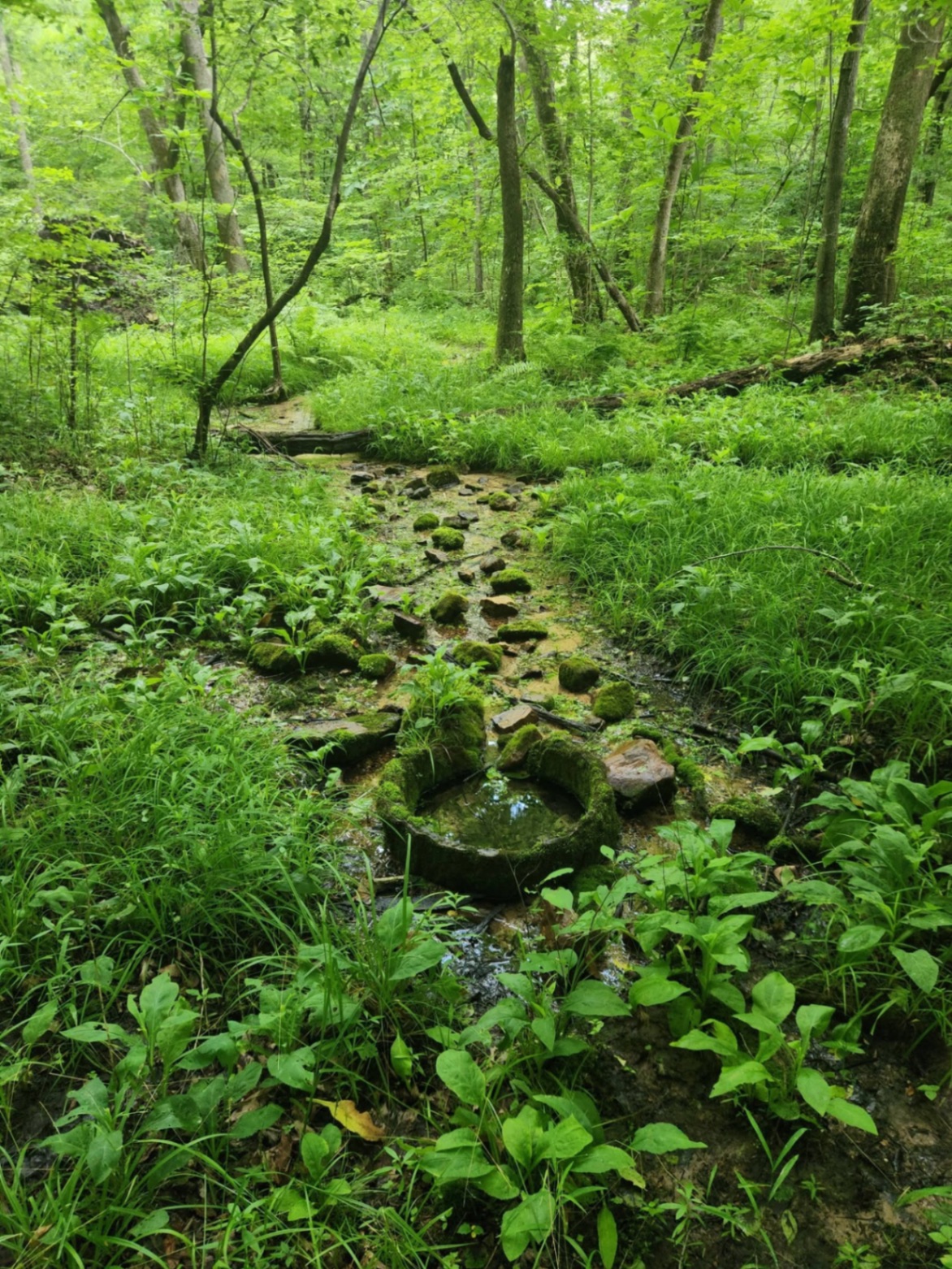
A 20-foot and a 60-foot bridge will open access to a wetland with an interesting historic water feature, previously off-limits to protect the habitat. A construction training program will build the bridges — and the new trail will let visitors see things they'd never normally encounter.
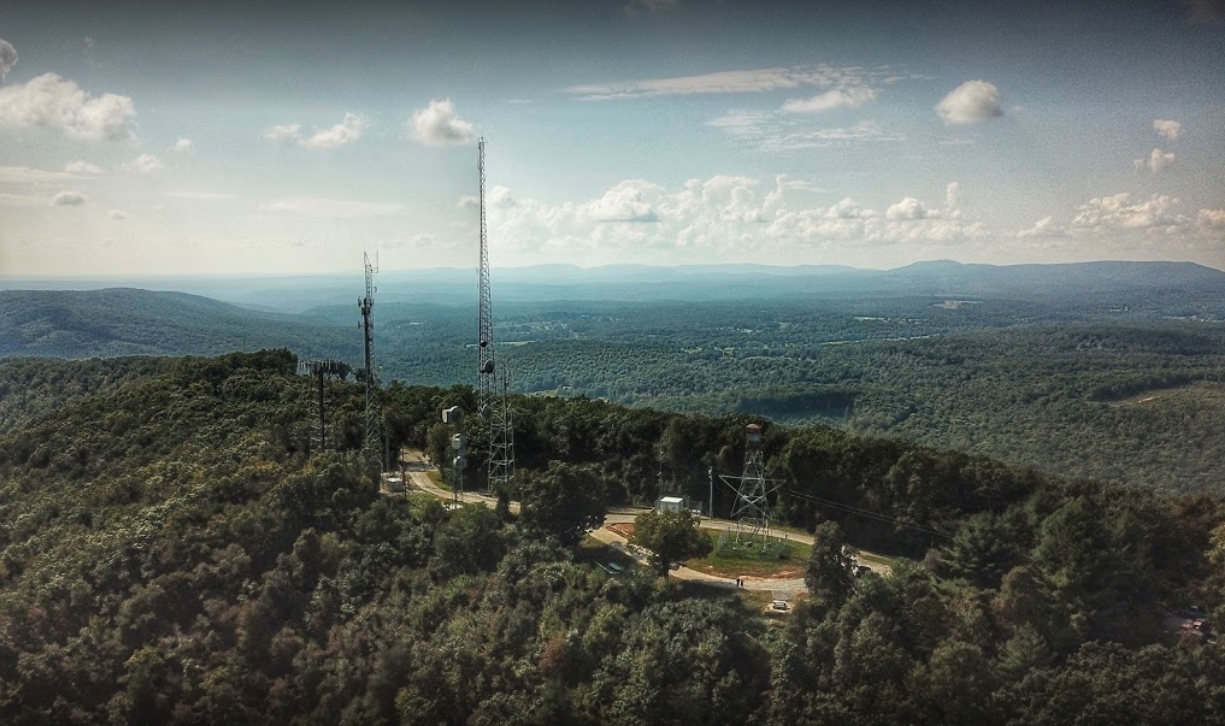
Rockwood has an agreement with the Tennessee Wildlife Resources Agency for an easement supporting a 6-mile trail loop on the east face of Mt. Roosevelt. The loop will begin at the end of the new Big Gulch Trestle Trail, climb to the Mt. Roosevelt Fire Tower (the "Star"), continue to Big Rock overlooking Downtown Rockwood, and return to Big Gulch on a lower trail.
The Mt. Roosevelt Fire Tower is approximately 92 years old. Tennessee Forestry abandoned it in the mid-1980s, and around 1998 a 25-foot star was installed at the top — lit each November and December — which is why most people simply call the tower "Star."
Rockwood has asked Tennessee to donate the Star to the City. It's one of the few remaining fire towers with a paved road leading to it, and the view from the cab is spectacular: six states are visible, and on a clear day the view to the east approaches 80 miles.
The tower is structurally sound. The rotten wooden steps can be replaced with galvanized, slip-resistant steps, and infill panels will prevent falls. A fundraiser will generate enough money to cover most of the costs.